

Conservation Easements
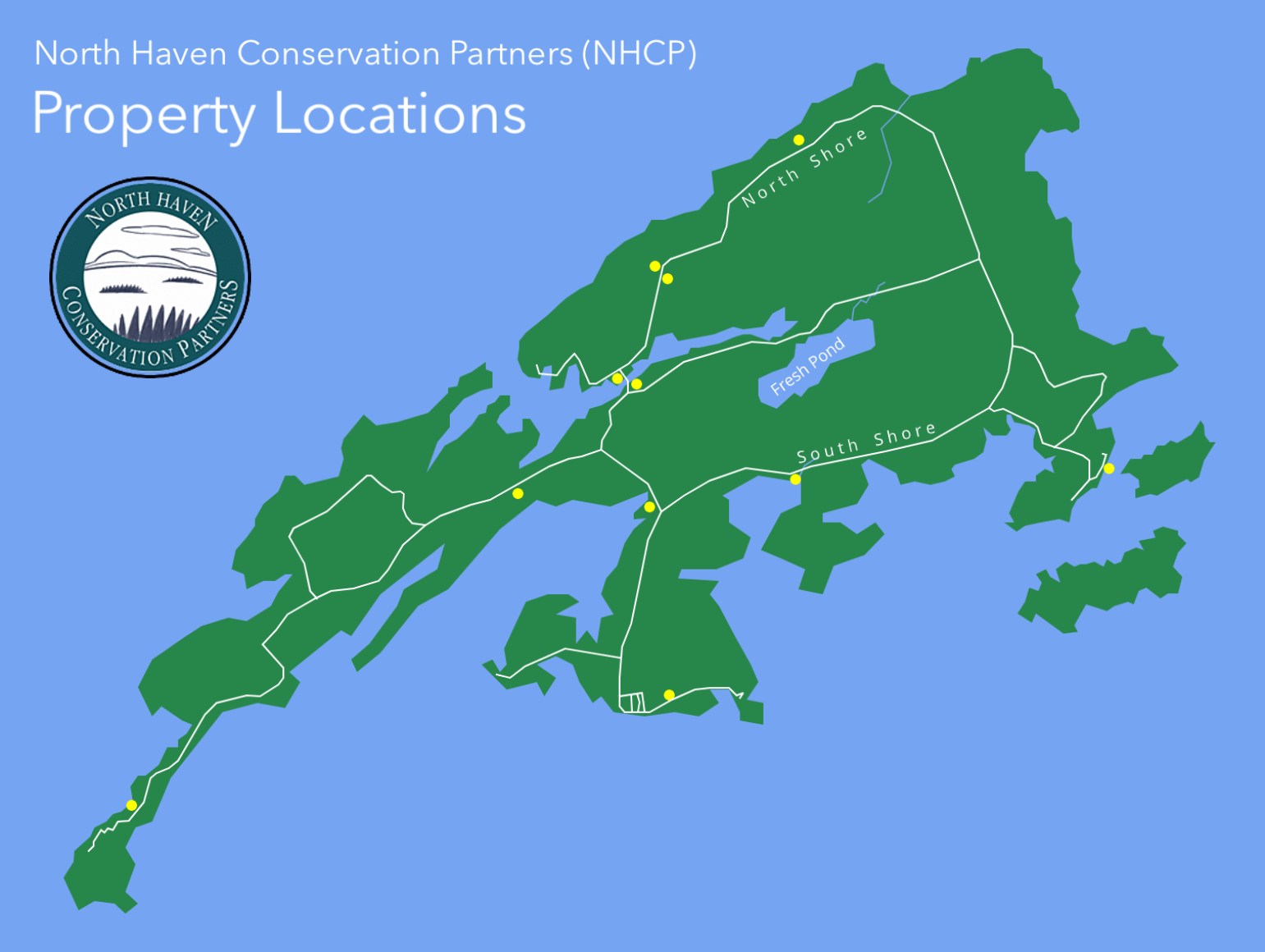
NHCP currently holds two conservation easements on North Haven.
- What is a conservation easement?
- How does an easement work?
- What potential benefits can easements offer landowners?
- How does a conservation easement benefit the community?
- What restrictions does a conservation easement place on land?
- Must an easement allow public access?
- What steps do I take to place a conservation easement on my property?
What is a conservation easement?
Aconservation easement is a legal agreement a property owner enters,usually with a local land trust, to restrict the type and amount ofdevelopment that may take place on his or her property. Easement landsremain in private hands and on local tax rolls while providing suchpublic benefits as open space, scenic vistas and wildlife habitat. Each easement’s restrictions are tailored to the features of theparticular property and the land use goals of the individual owner.
Return to the list of questions
How does an easement work?
Whenyou own land, you hold many rights associated with it (the right toharvest timber, to build structures, to farm, etc., subject to zoningand other laws). By placing a conservation easement on your land, youvoluntarily limit or relinquish some of these rights. NHCP works withinterested landowners to tailor an easement that protects the land’snatural and cultural values and meets the owner’s land use goals. Mosteasements limit the number and location of future structures and thetypes of land uses that can take place. The land trust, as easementholder assumes permanent responsibility for enforcing the easement’sterms. This stewardship involves an annual inspection of the propertyand ongoing contact with the landowners. If an easement is violated,the land trust takes action to have the violation corrected (includinglegal measures, although these are rarely required).
Return to the list of questions
What potential benefits can easements offer landowners?
Conservationeasements enable landowners to permanently protect their cherishedproperties while retaining ownership. Easements provide permanentprotection, applying to all future landowners. Landowners retain titleto their property and may continue to live on it, sell it, or pass iton to heirs, knowing that it will always remain protected. Easementscan aid in estate planning, reducing estate taxes that could force thesale of family lands. Donated easements also can provide a charitableincome tax deduction. Easements may reduce property taxes byeliminating unwanted but highly valuable development potential. Easements can minimize family conflict when land passes to the nextgeneration.
Return to the list of questions
How does a conservation easement benefit the community?
Aconservation easement limits development, protects important naturalresources and provides for public access or other public benefits. Easement properties remain in private hands and on the Town’s taxrolls. Conservation easements provide a voluntary means for limitingdevelopment and preserving valued open space without the Town enactingrestrictive zoning laws or expending public funds to purchase andmaintain open space.
Return to the list of questions
What restrictions does a conservation easement place on your land?
Aneasement’s restrictions protect the land’s important naturalresources. Restrictions may apply to all or part of the landowner’sproperty. Most easements limit the number and location of futurestructures and the types of land uses that can take place.
Return to the list of questions
Must an easement allow public access?
NHCPencourages public access where appropriate, but it is not a requirementfor all conservation easements. Some landowners convey certain accessrights, such as allowing fishing or hiking in specified locations. Ifan easement is given for recreation or educational purposes, publicaccess is required. For scenic easements, much of the property must bevisible to the public, but physical access in not necessary. Access isgenerally not required for easements that protect wildlife or planthabitats or agricultural lands. For historic preservation easements,either visual or physical access is required, depending on the natureof the property to be preserved.
Return to the list of questions
What steps do I take to place a conservation easement on my property?
Thefirst step is to contact NHCP to become acquainted with theorganization and how conservation easements work. Individuallandowners may set up a meeting with an NHCP Board member to discussthe owner’s land use goals for the property, the property’sconservation values, and any development rights the landowner may wantto retain. Together, NHCP and the landowner determine whether aconservation easement would accomplish the landowner’s goals andsatisfy NHCP’s criteria for conservation projects.
Return to the list of questions
Sources:
Conservation Options: A Guide for Maine Landowners
Maine Coast Heritage Trust and Land Trust Alliance